Home | MyGov

Accessibility
Accessibility Tools
Color Adjustment
Text Size
Navigation Adjustment
Screen Reader iconScreen Reader

Inviting suggestions on the Draft Vision document for Phase III of eCourts Project

Start Date :
Apr 08, 2021
Last Date :
May 31, 2021
23:45 PM IST (GMT +5.30 Hrs)
Submission Closed

The e-Committee of the Supreme Court has been overseeing the implementation of the e-Courts Project, conceptualized under the "National Policy and Action Plan for Implementation of ...

The e-Committee of the Supreme Court has been overseeing the implementation of the e-Courts Project, conceptualized under the "National Policy and Action Plan for Implementation of Information and Communication Technology (ICT) in the Indian Judiciary-2005". It is the mission mode project carried out by the Department of Justice.

The e-Committee has evolved in terms of its roles and responsibilities over the last fifteen years. The objectives of the e-Committee include:
The Interlinking of all courts across the country.
ICT enablement of the Indian judicial system.
Enhancing judicial productivity.
Making the justice delivery system accessible, cost-effective, transparent, and accountable.
Providing citizen-centric services.

As Phase-II will soon conclude, the draft vision document for Phase III is prepared. This draft Vision Document outlines an inclusive, agile, open, and user-centric vision for courts in Phase III of the e-Courts Project.

Phase III envisions digital courts that deliver justice as a service to all, beyond simply replicating offline processes digitally. The use of technology in the judiciary is therefore guided by two facets central to Gandhian thought—access and inclusion. In addition, the core values of trust, empathy, sustainability, and transparency provide the guardrails for achieving the founding vision.

Building over the advancements made in Phases I & II of the project, this document articulates the need to exponentially advance the digitization of courts by (a) simplifying procedures, (b) creating a digital infrastructure, and the (c) establishment of the right institutional and governance framework, such as technology offices at various levels to enable the judiciary to appropriately employ technology. It articulates key goals for putting in place the digital infrastructure and services for Phase III.

This vision document envisions a platform architecture for technology that will enable diverse digital services to further evolve over time at scale. It also is designed to take an ecosystem approach that leverages the existing capacities in different stakeholders such as civil society leaders, universities, practitioners, and technologists to realise this future.

The e-Committee, Supreme Court of India has called for comments, suggestions, and inputs on the draft vision document for its 3rd phase of the e-Courts Project from all its stakeholders to refine and plan the implementation of the next phase of the e-Courts Project.

Click here to read the Draft Vision Document.

The last date to receive inputs is 31st May 2021.

Reset
Showing 1705 Submission(s)
venkata krishnanb
venkata krishnanb 5 years 3 months ago
pls make strict law for raping idiots and cheating idiots and make the temple under the control of own religion and pls make law for tamil nadu hindu temple are under other religion person make all temples to under one control all money and property are looting by other religion people.strict laws must be everywhere.
ADURTHY SANDEEP PAVAN KUMAR
ADURTHY SANDEEP PAVAN KUMAR 5 years 3 months ago
The Supreme Court e-committee has invited suggestions from stakeholders on the draft vision document for phase III of the e-Courts Project.
ADURTHY SANDEEP PAVAN KUMAR
ADURTHY SANDEEP PAVAN KUMAR 5 years 3 months ago
Justice DY Chandrachud, Chairperson of the Supreme Court of India e-Courts Project has requested all the stakeholders, i.e advocates, litigants and common citizens to submit their suggestions on draft vision document.
P Mitra
P Mitra 5 years 3 months ago
Parallel Evidence-in-chief and cross-examination of many witnesses :- In e-Court, a second witness can give evidence before the cross-examination of the first witness is complete. This works together with off-line cross-examination (video answers recorded and uploaded, as described in another post in this forum). The next witness can give evidence while cross-examinations of the previous witnesses are progressing offline. In this way many witnesses can be processed together in parallel.
Basavraj Chilla
Basavraj Chilla 5 years 3 months ago
मैं तीन दिनसे हर रोज covin पर लसीकरण के लिये अपॉइंटमेंट ले रहा हूं और लसीकरण के लिये लसीकरणकेंद्र जा रहा हूं,केंद्रपर लस उपलब्ध नही है।महाराष्ट्र मे lokdown चालू है ऐसेमे हर रोज लसीकरण केंद्र जाना क्या ठीक है?मैं ही नही और बहुत बुजुर्ग लोग लस न मिलने कारण हर रोज वापस जा रहे है।
ARUN KUMAR GUPTA
ARUN KUMAR GUPTA 5 years 3 months ago
It seems some petsons think that eCourts mean that by putting all the case data in system, computer would analyse the data and evidences to decide the case on its own. Though it technically possible but It is not that easy either. Every case has its own merits and there may be illogical logics behind every argument. Software have limitations to critically examine and cross examine every logic. Some very complex Fuzzy logic can be developed but still it may not be fully logical.
Amreek singh
Amreek singh 5 years 3 months ago
court duty started by filing case,cases categorised in sepret server,who write police this deptt first need to change what is written because their submission must have proper guidelines and knowledge in technical,social, commercial cases they must educated having proper knowledge,IT ,computer in court wordic ,our advocate must capable to learn coding of cases, judge must have all knowledge of judgement by clicking similar case wordic to changes as most cases are common . Amreek Singh similar
Sriram sri
Sriram sri 5 years 3 months ago
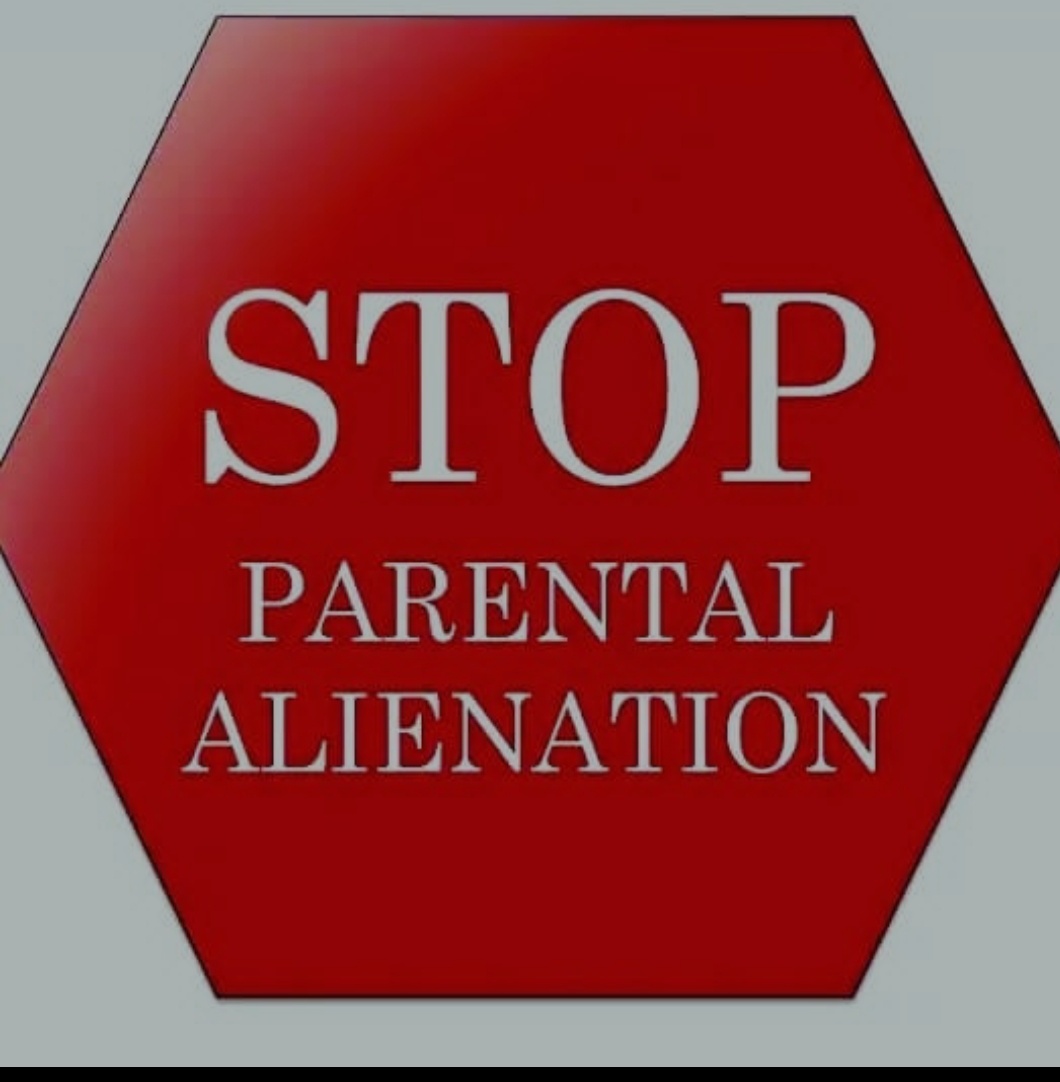
Parental alienation is kill the many father and children, children are stack of family values due to matrimonial dispute urgent allow the shared parenting. My daughter don't know who am I for her and I don't know how she is.give a stirct act which by the child should nit suffer. Child need both parents love and care. Dont spoil the Indian family values for children.
Sriram sri
Sriram sri 5 years 3 months ago
Allow a father to meet his child in matrimonial dispute. Stop parental alienation and start shared parenting. This is injustice for a child and father relation.many children are deprived and fathers are being torture by emotionaly by wifes. Please implemente shared parenting lakhs of father and child are not know each other due to our law. Thanking you
mygov_161916475587060671