Home | MyGov

Accessibility
Accessibility Tools
Color Adjustment
Text Size
Navigation Adjustment
Screen Reader iconScreen Reader

Tune in to 120th Episode of Mann Ki Baat by Prime Minister Narendra Modi on 30th March 2025

Tune in to 120th Episode of Mann Ki Baat by Prime Minister Narendra Modi on 30th March 2025

Read
Comments closed for this talk.
CHANDA NAGARAJU
CHANDA NAGARAJU 1 year 4 months ago
Cool Pavements: Use reflective materials for roads and pavements to reduce urban heat island effects. Shaded Bus Stops and Walkways: Install green or solar-panel-covered canopies to provide shaded waiting areas. Electric and Public Transport: Reduce emissions that contribute to urban heat by promoting cleaner transit options.
CHANDA NAGARAJU
CHANDA NAGARAJU 1 year 4 months ago
Heat-Reflective Paints and Coatings: Use specially designed coatings that reflect infrared radiation, reducing building temperatures. Phase-Change Materials (PCMs): Incorporate materials in construction that absorb and release heat to regulate indoor temperatures. Solar Chimneys and Wind Catchers: Design ventilation systems that promote natural airflow to reduce reliance on air conditioning.
CHANDA NAGARAJU
CHANDA NAGARAJU 1 year 4 months ago
Cool Roofs: Apply reflective or light-colored materials to rooftops to reflect sunlight instead of absorbing heat. Permeable Pavements: Replace asphalt with porous materials that absorb water and reduce heat build-up. Smart Building Design: Design buildings with cross-ventilation, shaded courtyards, and natural cooling systems.
CHANDA NAGARAJU
CHANDA NAGARAJU 1 year 4 months ago
Dear Modi ji Sub : Ideas to reduce Heat Green Roofs and Walls: Install vegetation on rooftops and building walls to absorb heat and provide insulation. Urban Forests and Parks: Plant more trees and develop green spaces to provide shade and cool the air. Vertical Gardens: Use vertical greenery on walls to reduce heat absorption in densely populated areas.
AsthaGill
AsthaGill 1 year 4 months ago
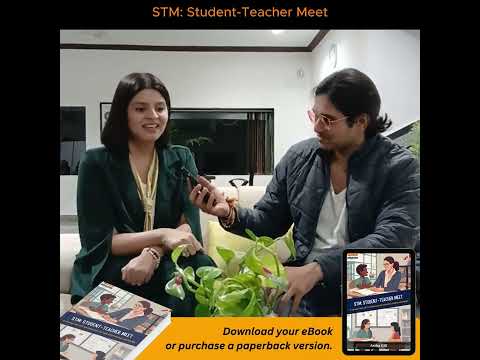
Student-Teacher Meets (STMs): A Revolution in Education – Where Every Child is Heard, Understood, and Empowered! Student-Teacher Meets (STMs) – A Revolutionary Change in Education STMs एक 1-1 संवाद है, जहाँ हर छात्र अपने शिक्षक से बिना किसी डर या दबाव के खुलकर बात कर सकता है। यह पारंपरिक Parent-Teacher Meetings (PTMs) से अलग है, क्योंकि इसमें शिक्षक पहले ही अपने छात्रों को बेहतर समझ पाते हैं, जिससे PTM शिकायतों से हटकर बेहतर योजना बनाने का मंच बन जाता है। आज के समय में मानसिक स्वास्थ्य, ड्रॉपआउट, और शैक्षणिक संघर्ष गंभीर समस्याएँ हैं। STMs छात्रों को सुने जाने, समझे जाने और सुरक्षित महसूस कराने का अवसर देते हैं। यह सिर्फ एक विचार नहीं, बल्कि शिक्षा प्रणाली में क्रांतिकारी बदलाव लाने वाला एक साबित मॉडल है। अब समय आ गया है कि हम शिक्षा को अधिक मानवीय और संवेदनशील बनाएं!
AsthaGill
AsthaGill 1 year 4 months ago
Student-Teacher Meets (STMs): A Revolution in Education – Where Every Child is Heard, Understood, and Empowered! Namaskar Sir, I am Astha Gill, an educationist, aviation veteran, and a dedicated trainer, working for the past 25 years to empower education and educators. Today, I wish to present a revolutionary idea to you—Student-Teacher Meets (STMs). For years, we have followed Parent-Teacher Meetings (PTMs), but the reality is that many students feel anxious, unheard, and sometimes even judged in these meetings. Yet, school dropout rates, absenteeism, academic struggles, and mental health issues continue to rise. It is clear that PTMs alone are not enough. Why are STMs Necessary? STMs put students at the center. It is a direct interaction between a student and a teacher—without parental pressure—where students can openly share their concerns, thoughts, and aspirations. This helps build trust, improve mental well-being, and create a sense of belonging in schools.
CHANDA NAGARAJU
CHANDA NAGARAJU 1 year 4 months ago
Students informed that Dakshinamurthy stotram in the bus while going for tenth standard exams, they will get mental calmness
Aarya Kapoor
Aarya Kapoor 1 year 4 months ago
should be on tourism and environmental pollution created by tourists in the hill station and HRTC bus attack by Khalistan SYNONYMY in Kharar (Punjab).
Somnath De
Somnath De 1 year 4 months ago
I would like to seek attention on the sustainability part and how we can use more sunlight in our day to day activities. Changing our time zone can help a bit. This 5.5 hour is also difficult to calculate when we are working globally.