Home | MyGov

Accessibility
Accessibility Tools
Color Adjustment
Text Size
Navigation Adjustment
Screen Reader iconScreen Reader

Inviting Suggestions on the Draft Blue Economy Policy

Inviting Suggestions on the Draft Blue Economy Policy
Start Date :
Feb 19, 2021
Last Date :
Feb 27, 2021
23:45 PM IST (GMT +5.30 Hrs)
Submission Closed

With a coastline of nearly 7.5 thousand kilometres, India has a unique maritime position. Nine of its 29 states are coastal, and the nation’s geography includes 1,382 islands. ...

With a coastline of nearly 7.5 thousand kilometres, India has a unique maritime position. Nine of its 29 states are coastal, and the nation’s geography includes 1,382 islands. There are nearly 199 ports, including 12 major ports that handle approximately 1,400 million tons of cargo each year. Moreover, India’s Exclusive Economic Zone of over 2 million square kilometres has a bounty of living and non-living resources with significant recoverable resources such as crude oil and natural gas. Also, the coastal economy sustains over 4 million fisherfolk and coastal communities. With these vast maritime interests, the blue economy occupies a vital potential position in India’s economic growth. It could well be the next multiplier of GDP and well-being, provided sustainability and socio-economic welfare are kept centre-stage. Therefore, India's draft blue economy policy is envisaged as a crucial framework towards unlocking country’s potential for economic growth and welfare.

The MoES prepared the draft blue economy policy framework in line with the Government of India’s Vision of New India by 2030. It highlighted the blue economy as one of the ten core dimensions for national growth. The draft policy framework emphasizes policies across several key sectors to achieve holistic growth of India’s economy. The document recognizes the following seven thematic areas.

1.National accounting framework for the blue economy and ocean governance.
2.Coastal marine spatial planning and tourism.
3.Marine fisheries, aquaculture, and fish processing.
4.Manufacturing, emerging industries, trade, technology, services, and skill development.
5.Logistics, infrastructure and shipping, including trans-shipments.
6.Coastal and deep-sea mining and offshore energy.
7.Security, strategic dimensions, and international engagement.

The Ministry of Earth Sciences (MoES) has rolled out the Draft Blue Economy policy for India by Inviting suggestions and inputs from various stakeholders including industry, NGOs, academia, and citizens. The draft blue economy policy document outlines the vision and strategy that can be adopted by the Government of India to utilize the plethora of oceanic resources available in the country.

Click here to read the Draft Blue Economy Policy.

Reset
Showing 487 Submission(s)
Adarsh Kumar
Adarsh Kumar 5 years 2 months ago
The proposed policy aims to enhance the contribution of the blue economy to India's GDP, improve lives of coastal communities, preserve marine biodiversity, and maintain the national security of marine areas and resources. ... The country's coastal economy sustains over 4 million fisherfolk and coastal communities.
Titikshaguglani
Titikshaguglani 5 years 2 months ago
Use of inland waterways can be performed a) for transportation of HEAVY materials as a better option than road or rail. b) It may also be used for the transport of people and household materials. c)These and inter sea-shore station journey can be used for entertainment purposes. BUT IN ALL CASES, THE SUNLIGHT/ WATER DISSOCIATION TECHNOLOGY MAY BE USED AS THE SOURCE OF ENERGY, NOT ANY CARBON FUEL LIKE COAL OR PETROLEUM. Plastics of any name/kind MUST NOT be thrown in such water bodies/sea.
VIJAY KUMAR VISHWAKARMA
VIJAY KUMAR VISHWAKARMA 5 years 2 months ago
पहियों के अविष्कार के पूर्व समुद्र मार्ग से ही आवागमन होता रहा है । ब्लू इकोनाॅमी के घटक के रूप में जलमार्ग का निर्धारण, पर्यटन के रूप में विकास एवं समुद्र के अध्ययन केन्द्र स्थापित कर नई पीढी के ज्ञान विज्ञान की राह प्रशस्त की जा सकती है ।
ArchanaMishra
ArchanaMishra 5 years 2 months ago
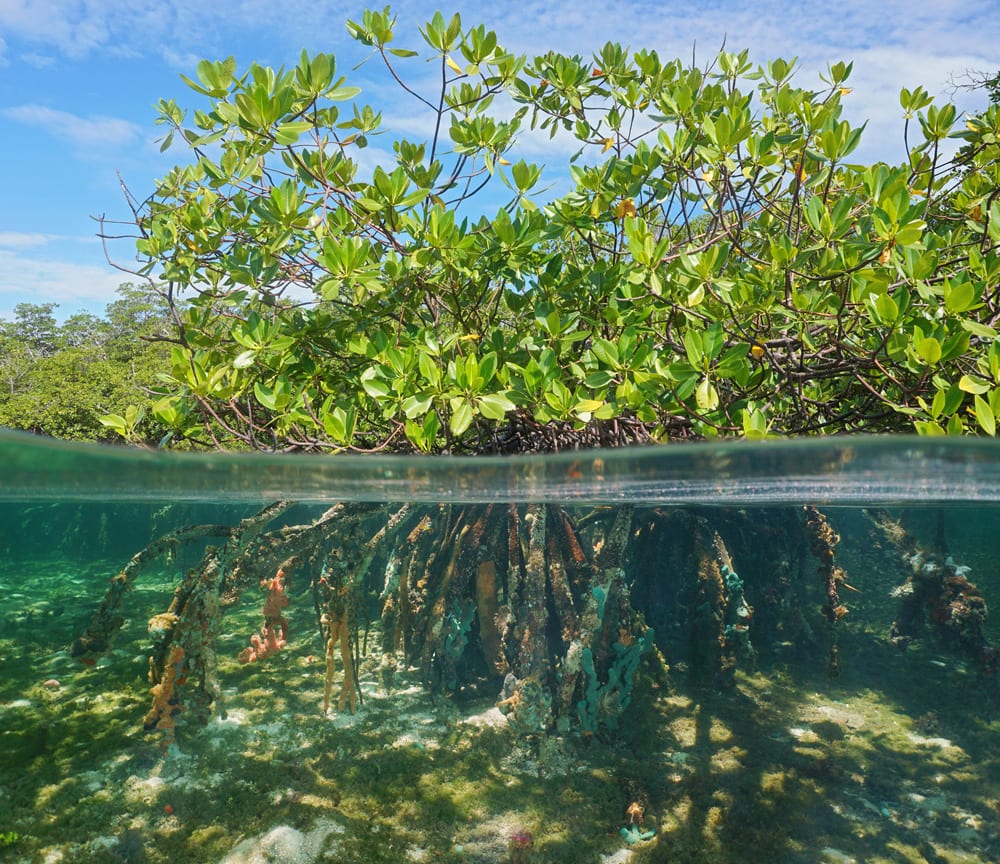
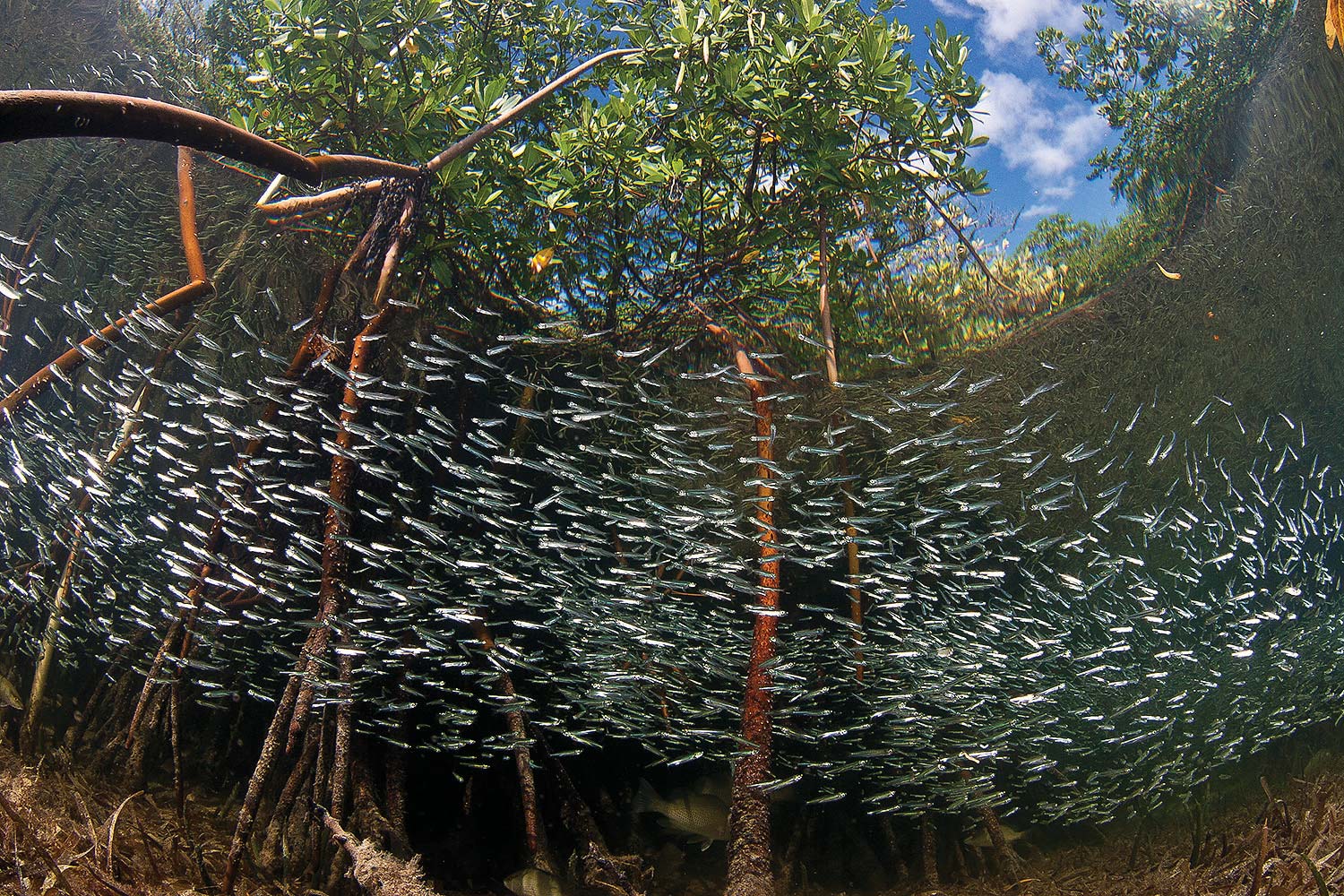
‘मैंग्रोव’ एक प्रकार की दुर्लभ वनस्पतियों का संग्रह है, जो खारे पानी को सहन कर सकती हैं और समुद्री पानी में आंशिक रूप में जलप्लावित होने पर भी फलने-फूलने की क्षमता रखती हैIहिन्दी भाषा में इन्हें ‘कच्छीय वनस्पति’ के नाम से जाना जाता हैI
mygov_161434902882228061
mygov_161434930382228061
Kameswara Rao Pulavarty
Kameswara Rao Pulavarty 5 years 2 months ago
Shrimp Culture has highest potentiality for export markets and I have developed an Organic product to grow the Shrimps and make it mandatory use of Organic inputs for culture there by tremendous demand will be there for organic shrimp which have many benefits and the pollution will be reduced and moreover the water released to sea/river will be good for soil and human. A detailed study will highly be appreciated in the matter
Dr Shibabrata Pattanayak
Dr Shibabrata Pattanayak 5 years 2 months ago
Use of inland waterways can be performed a) for transportation of HEAVY materials as a better option than road or rail. b) It may also be used for the transport of people and household materials. c)These and inter sea-shore station journey can be used for entertainment purposes. BUT IN ALL CASES, THE SUNLIGHT/ WATER DISSOCIATION TECHNOLOGY MAY BE USED AS THE SOURCE OF ENERGY, NOT ANY CARBON FUEL LIKE COAL OR PETROLEUM. Plastics of any name/kind MUST NOT be thrown in such water bodies/sea.
Prachi Gautam
Prachi Gautam 5 years 2 months ago
Renewable Energy: Sustainable marine energy can play a vital role in social and economic development. Fisheries: Sustainable fisheries can generate more revenue, more fish and help restore fish stocks. Maritime Transport: Over 80% of international goods traded are transported by sea. Tourism: Ocean and coastal tourism can bring jobs and economic growth. Climate Change: Oceans are an important carbon sink (blue carbon) and help mitigate climate change. Waste Management: Better waste manageme
Prachi Gautam
Prachi Gautam 5 years 2 months ago
Blue Economy The concept was introduced by Gunter Pauli in his 2010 book- “The Blue Economy: 10 years, 100 innovations, 100 million jobs”. It is the sustainable use of ocean resources for economic growth, improved livelihoods and jobs, and ocean ecosystem health. It advocates the greening of ocean development strategies for higher productivity and conservation of ocean's health. It encompasses–
Prachi Gautam
Prachi Gautam 5 years 2 months ago
O-SMART: India has an umbrella scheme by the name of O-SMART which aims at regulated use of oceans, marine resources for sustainable development. Integrated Coastal Zone Management: It focuses on conservation of coastal and marine resources, and improving livelihood opportunities for coastal communities etc. National Fisheries Policy : India has a National Fisheries policy for promoting 'Blue Growth Initiative' which focus on sustainable utilization of fisheries wealth from the marine and o