

- चंडीगढ़ संघ राज्य क्षेत्र
- रचनात्मक क्रियास्थल
- दादरा नगर हवेली केन्द्रीय शासित प्रदेश
- दमन और दीव केन्द्रीय शासित प्रदेश
- प्रशासनिक सुधार और लोक शिकायत विभाग
- जैव प्रौद्योगिकी विभाग
- व्यापार महकमा
- उपभोक्ता मामले विभाग
- औद्योगिक नीति और संवर्धन विभाग
- डाक विभाग
- विज्ञान और प्रौद्योगिकी विभाग
- दूरसंचार विभाग
- डिजिटल भारत
- आर्थिक मामले
- एक भारत श्रेष्ठ भारत
- ऊर्जा संरक्षण
- व्यय प्रबंधन आयोग
- खाद्य सुरक्षा
- गांधी@150
- बालिका शिक्षा
- सरकारी विज्ञापन
- हरित भारत
- अतुल्य भारत!
- इंडिया टेक्सटाइल
- भारतीय रेल
- Indian Space Research Organisation - ISRO
- रोज़गार निर्माण
- LiFE- 21 दिन का चैलेंज
- मन की बात
- मैला ढ़ोने की प्रथा से मुक्त भारत
- पूर्वोत्तर क्षेत्र विकास मंत्रालय
- कृषि और किसान कल्याण मंत्रालय
- रसायन और उर्वरक मंत्रालय
- नागरिक उड्डयन मंत्रालय
- कोयला मंत्रालय
- कारपोरेट कार्य मंत्रालय
- संस्कृति मंत्रालय
- रक्षा मंत्रालय
- पृथ्वी विज्ञान मंत्रालय
- शिक्षा मंत्रालय
- Ministry of Electronics and Information Technology
- पर्यावरण, वन और जलवायु परिवर्तन मंत्रालय
- विदेश मंत्रालय
- वित्त मत्रांलय
- स्वास्थ्य और परिवार कल्याण मंत्रालय
- गृह मंत्रालय
- आवास और शहरी मामलों के मंत्रालय
- सूचना और प्रसारण मंत्रालय
- जल शक्ति मंत्रालय
- कानून और न्याय मंत्रालय
- सूक्ष्म, लघु और मध्यम उद्यम मंत्रालय (MSME)
- पेट्रोलियम और प्राकृतिक गैस मंत्रालय
- ऊर्जा मंत्रालय
- सामाजिक न्याय और अधिकारिता मंत्रालय
- सांख्यिकी एवं कार्यक्रम क्रियान्वयन मंत्रालय
- इस्पात मंत्रालय
- महिला एवं बाल विकास मंत्रालय
- माईगव मूव - वॉलंटियर
- नई शिक्षा नीति
- न्यू इंडिया चैंपियनशिप
- नीति आयोग
- भारत के विकास के लिए एनआरआई
- ओपन फोरम
- PM Live Events
- राजस्व और जीएसटी
- ग्रामीण विकास
- सांसद आदर्श ग्राम योजना
- सक्रिय पंचायत
- कौशल विकास
- स्मार्ट सिटी
- भारत में खेलकूद
- स्वच्छ भारत
- जनजातीय विकास
- जलागम प्रबंधन
- राष्ट्र निर्माण में युवाओं की भागीदारी
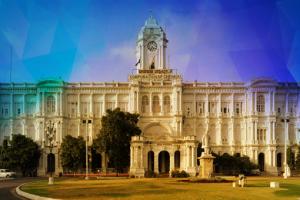
Chennai - A Global Smart City in Making

आरंभ करने की तिथि :
Sep 16, 2015
अंतिम तिथि :
Nov 16, 2015
00:00 AM IST (GMT +5.30 Hrs)
Corporation of Chennai is preparing a proposal towards Smart City Challenge which would include city wide smart urban solutions as well as identification of areas within the city ...
सभी टिप्पणियां देखें
New Comments
1828 सबमिशन दिखा रहा है
Meganathan_3
10 साल 8 महीने पहले
• Obstructed pavements due to illegal (or legal) car parking, poor design, or uncollected rubbish
• No protection from harsh climatic conditions
• Lack of pedestrian-support infrastructure such as street lighting
• Pedestrian overcrowding due to narrow or below-capacity pavements
• High levels of robbery, assault, and other types of crime befalling Pedestrians
पसंद
(0)
नापसन्द
(0)
जवाब दो
स्पैम की रिपोर्ट करें

Meganathan_3
10 साल 8 महीने पहले
Complete lack of pedestrian pavements
• Poor quality of pavements, often of dirt or mud
• No physical separation from high levels of traffic and from high-speed traffic
• Extreme levels of noise and air pollution
• Lack of infrastructure for crossing streets
पसंद
(0)
नापसन्द
(0)
जवाब दो
स्पैम की रिपोर्ट करें
Meganathan_3
10 साल 8 महीने पहले
Implicit in the notion of Green Cities for developing nations is the idea that development and motorization can be decoupled. Sustainable transport options offer an alternative path for Green Cities. A complementary package of public transport, quality footpaths and cycleways, vehicle-restriction measures, clean fuels, safety programs, and high standards can constitute a new paradigm for urban mobility and access.
पसंद
(0)
नापसन्द
(0)
जवाब दो
स्पैम की रिपोर्ट करें
Meganathan_3
10 साल 8 महीने पहले
Instilling smart growth design principles into city expansion, maintaining public transport, and retaining nonmotorized users through service quality are proactive measures that are perishable in some ways if the opportunity is missed. Since major investments in road-based infrastructure are relatively irreversible over the medium term, decisions made by developing-nation officials today will likely determine the shape and direction of the future urban form.
पसंद
(0)
नापसन्द
(0)
जवाब दो
स्पैम की रिपोर्ट करें
Meganathan_3
10 साल 8 महीने पहले
Developing-nation cities, though, are in a unique position to shape their form before a culture of motorization becomes fully established. Convincing individuals to leave their cars and motorcycles for alternatives is far more difficult and costly than retaining current users of sustainable transport options through improvements in quality.
पसंद
(0)
नापसन्द
(0)
जवाब दो
स्पैम की रिपोर्ट करें
Meganathan_3
10 साल 8 महीने पहले
Transport is the only major sector in which base conditions tend to worsen as economic performance increases. As incomes rise, so do levels of car and motorcycle ownership, which leads to heightened levels of congestion and other problems associated with motorization. In the cities of the developing world, increased private motorization tends to decrease exchange and accessibility.
पसंद
(0)
नापसन्द
(0)
जवाब दो
स्पैम की रिपोर्ट करें
Meganathan_3
10 साल 8 महीने पहले
While sanitation, health, education, and employment tend to improve through economic development, transport problems tend to worsen
पसंद
(0)
नापसन्द
(0)
जवाब दो
स्पैम की रिपोर्ट करें
Meganathan_3
10 साल 8 महीने पहले
Cities are an invention to maximize exchange opportunities and to minimize travel. These exchanges may be exchanges of goods, friendship, knowledge, culture, work, education or emotional and spiritual support. Cities are a deliberate concentration of these exchange opportunities in order to increase both the diversity and accessibility of exchange opportunities. The role of transport is to help maximize exchange.
पसंद
(0)
नापसन्द
(0)
जवाब दो
स्पैम की रिपोर्ट करें
Meganathan_3
10 साल 8 महीने पहले
Movement enables development. To undertake commercial exchange, access public services, or engage in recreation and entertainment, society relies on the ability to move persons, goods, or information from one location to another. The concepts of exchange and movement can be viewed as core elements in defining a city
पसंद
(0)
नापसन्द
(0)
जवाब दो
स्पैम की रिपोर्ट करें
Raji_8
10 साल 8 महीने पहले
Flushing toilets with less or no water is one of the concrete challenges which cities are facing today. In poor households, about 50% of water consumption is for toilet flushing. While waterless urinals have already been developed and are being tried out in public buildings, these have yet to be down-marketed to homes. Creative solutions are being awaited.
पसंद
(0)
नापसन्द
(0)
जवाब दो
स्पैम की रिपोर्ट करें
- अधिक देखें